AI as a Global Weapon: The Hidden Race Changing Power Worldwide
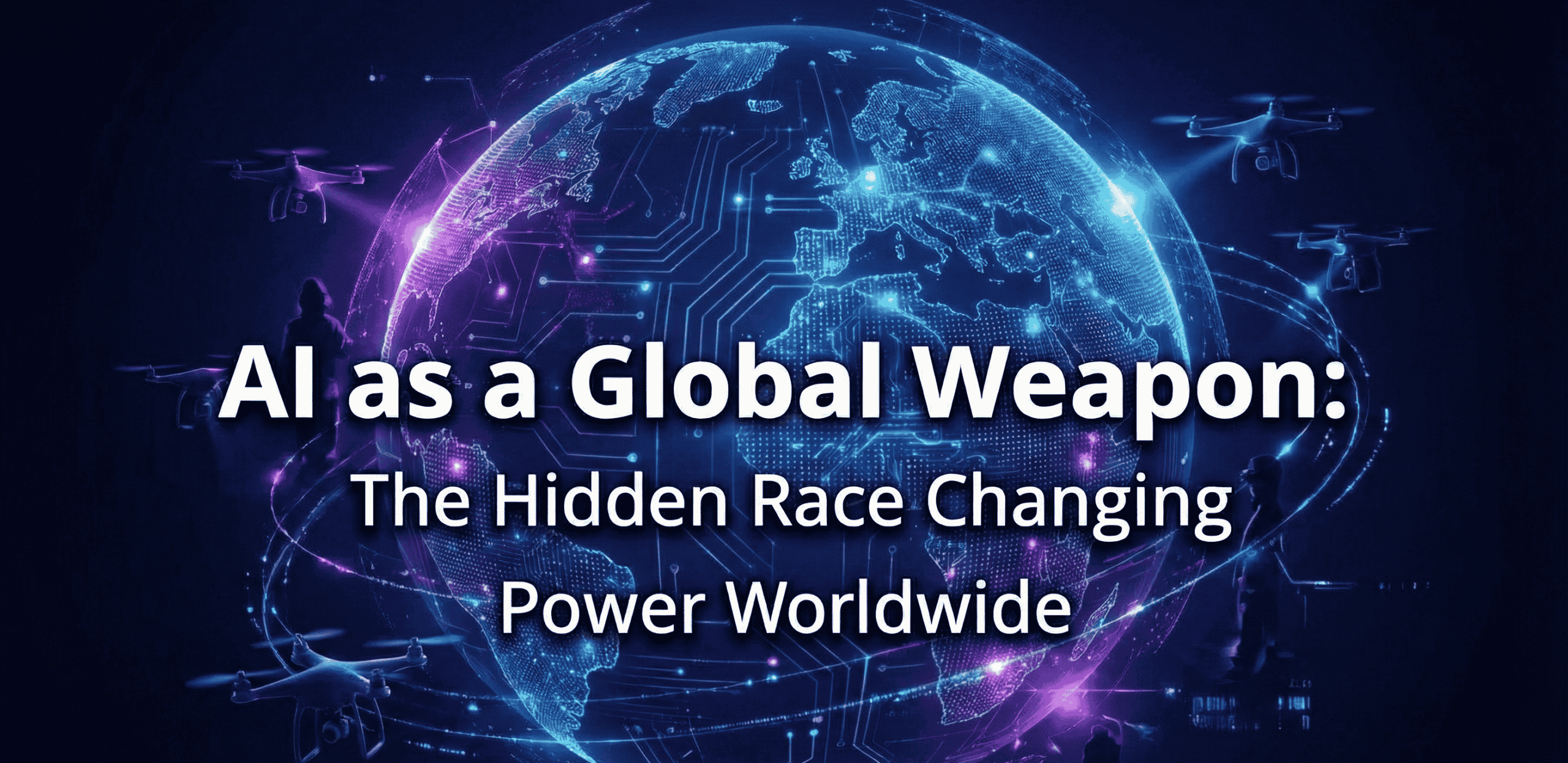
In powerful places from Washington to Beijing, a new type of competition is happening. This race isn’t with bombs and tanks but with computer programs and chips. Artificial intelligence has grown from something interesting into the most important area for global power, and what’s at stake has never been greater.
The New Playing Field
AI has gone from being just a tech trend to being central in world competition. Both the United States and China see it as the main driving force of the twenty-first century that will change trade, security, government, and power around the world. Unlike past tech advancements, AI affects everything—from military strategies and economic activities to spying and battles over information.
This rivalry isn’t just about creating better chatbots or art generators. The struggle for AI leadership between the United States and China goes deeper than just making good algorithms. It’s a complex fight for resources like energy systems, reliable supply chains for chips, and important minerals. The country that successfully secures these essential resources will tap into AI’s full capabilities and shape the global power structure in the future.
Two Different Strategies
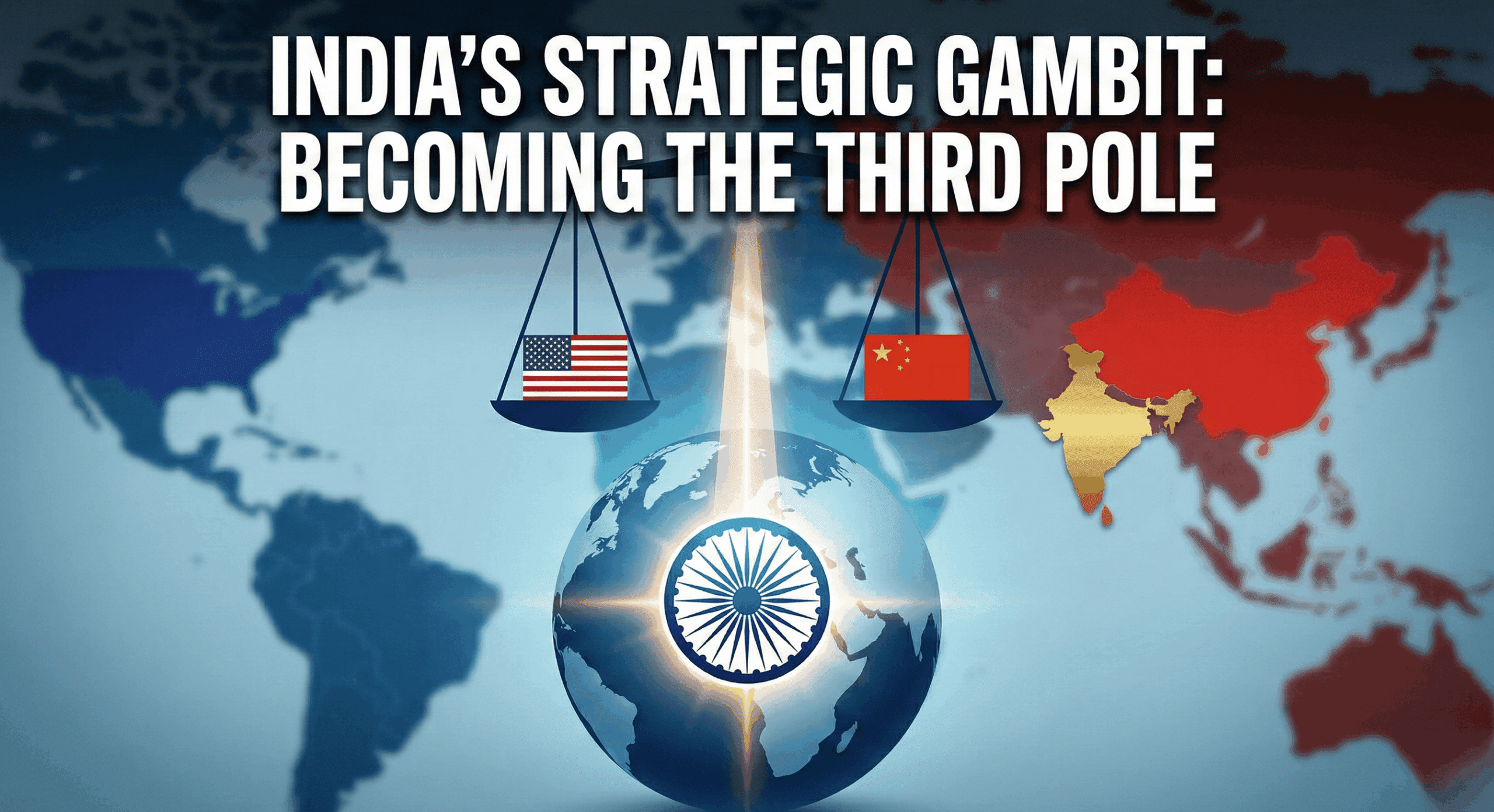
The United States and China have shown very different plans for taking the lead in AI. In July 2025, both countries announced their national AI strategies aimed at the world. The US connects its AI exports to who agrees with its political views, while China supports open collaboration with fewer restrictions. These differing strategies show more than just policy changes—they highlight two opposing ideas about technology, governance, and world leadership.
The US plan focuses on keeping its tech edge through export rules and partnerships with allies. The Trump administration’s strict rules on semiconductors are meant to stop China from getting the newest AI chips, with export bans even affecting special chips made to follow past regulations. According to Trump’s AI advisor David Sacks, China could be just three to six months behind the US in AI technology, making these controls crucial in a quickly narrowing tech gap.
On the other hand, China is taking what experts call an “inclusive” route. China’s AI strategy shows it as a key player in economic and social progress, highlighting how it can help fulfill the UN’s 2030 Agenda for Sustainable Development, especially in working with African nations and the wider Global Majority.
The Weapons Dimension
Current wars are already highlighting the reality of this situation. In the conflict between Russia and Ukraine, AI-controlled drones have led to many casualties, while Israel has used groups of AI-managed combat drones in Gaza. Reports suggest that the Pentagon in the United States is working on more than eight hundred AI military projects, with initiatives like “Replicator” aimed at sending out thousands of autonomous units in different areas within just a few months.
In December 2024, the UN General Assembly approved a resolution concerning lethal autonomous weapons systems, with 166 countries voting in favor and only 3 against—those being Russia, North Korea, and Belarus. Still, even with widespread worries, the push for autonomous warfare keeps going strong, driven by the military’s need for speed, efficiency, and fewer soldier casualties.
The Economic Battleground
The rivalry goes deep into global supply chains and industrial strategies. The United States currently holds a lead in accessing advanced AI computer chips, while China has a big edge in the energy systems that are vital for AI growth. China’s ability to quickly build power generation and data center facilities, without the public opposition seen in many Western democracies, might be crucial for meeting AI’s high energy needs.
The worldwide use of large language models is increasing fast, with visits to major sites growing three times from April 2024 to August 2025, jumping from around 2.4 billion to nearly 8.2 billion visits each month. Chinese models now hold over ten percent of the market share in thirty countries, with the biggest growth in developing nations and countries that have strong political and economic connections to China.
The Path Forward
Throughout 2025, advancements in technology from both the United States and China intensified the race for AI leadership, as nations and companies hurried to construct large data centers and energy systems to facilitate AI development. This competition shows no signs of stopping, even as more worries arise about unfair algorithms, privacy issues, job losses, and the serious dangers of fully autonomous systems.
The arms race in AI is quite different from past races involving technology. With nuclear weapons, you could count each one and form treaties. However, AI development is widespread, can be used for many purposes, and is nearly impossible to check or regulate.
As we find ourselves at this point, the real question isn’t whether artificial intelligence will change how the world works, but how fast it will happen and what we have to give up for it. The choices made in places like Washington, Beijing, and other cities around the world in the coming years will decide not only who is at the forefront of technology, but also what type of future we create together. In this unseen competition, the tools are computer programs, and the fight is happening all around us.