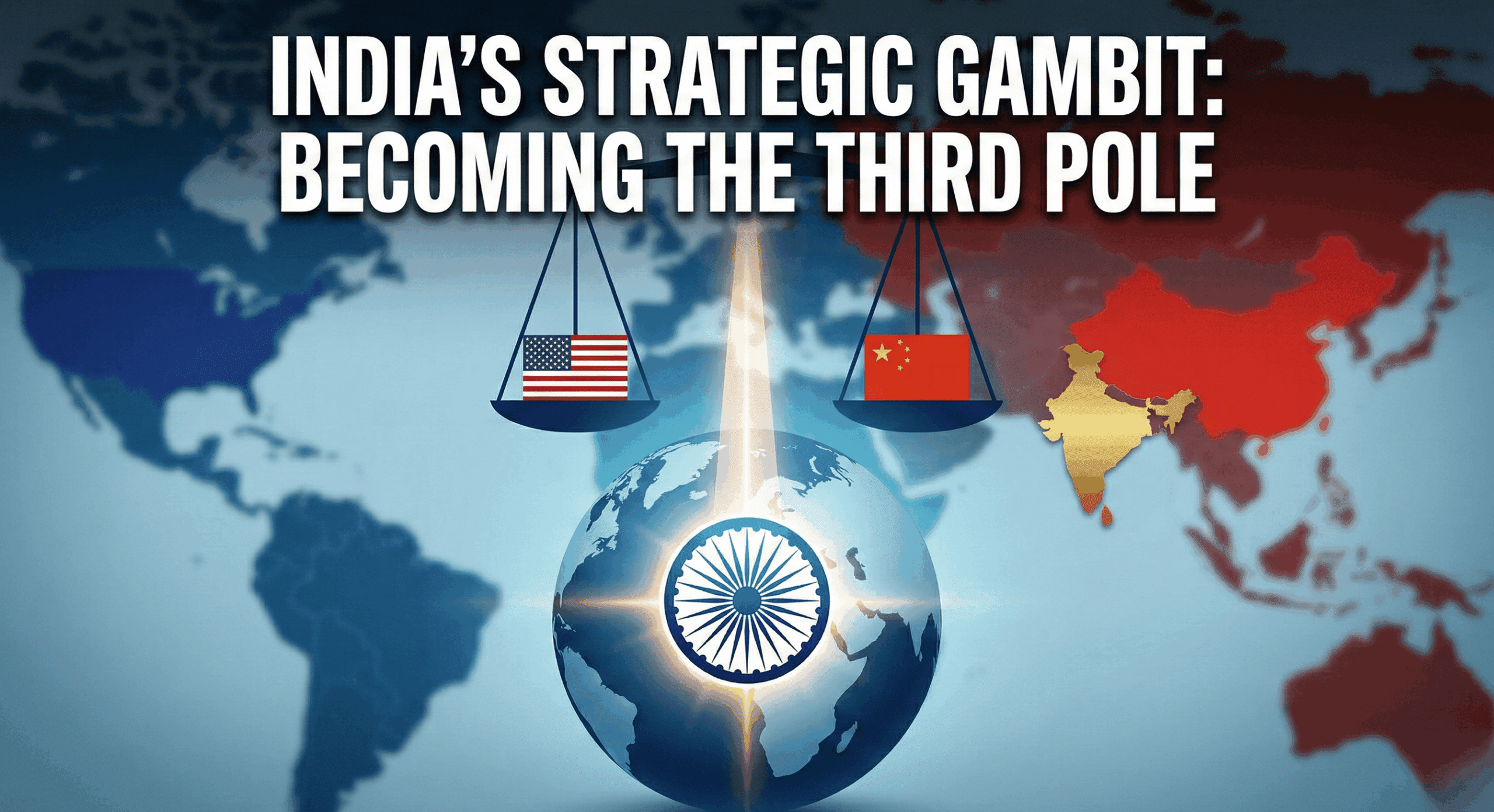

A New Chapter in US-India Trade Relations: Understanding the 2026 Tariff Reduction
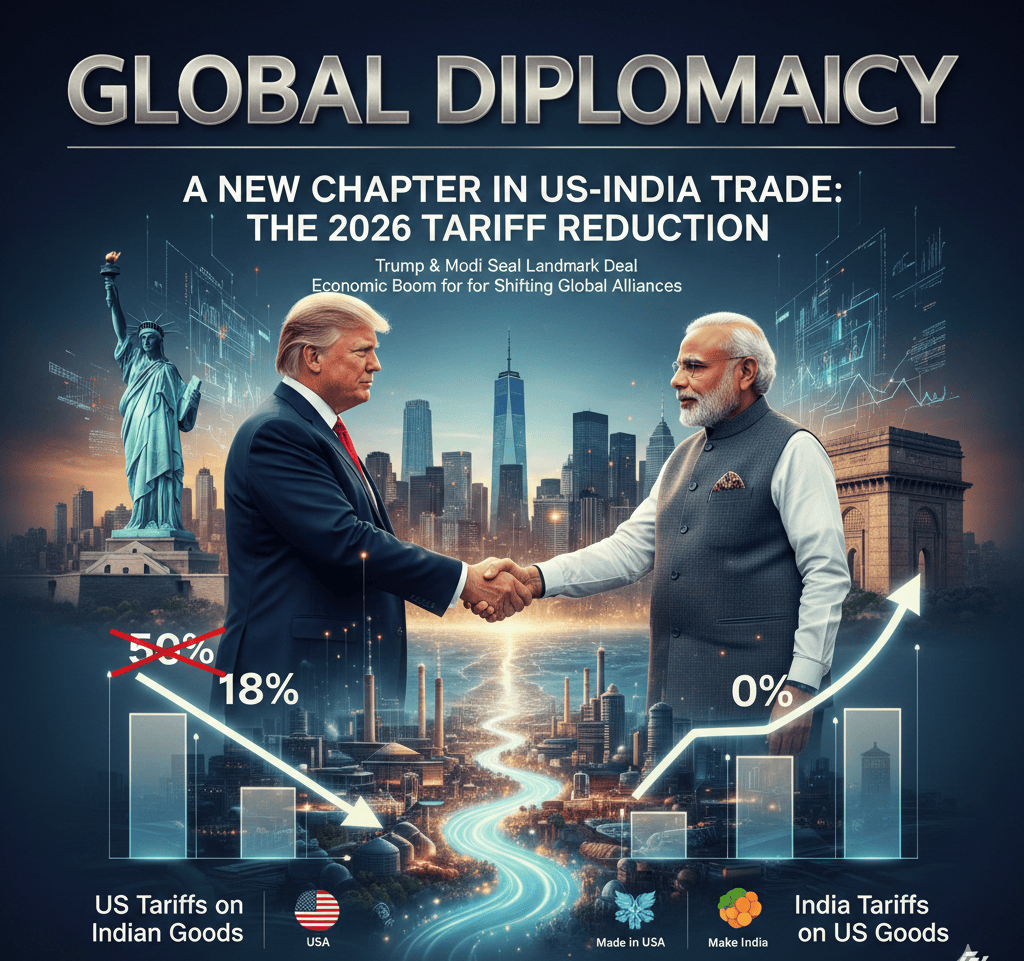
In a big step forward for diplomacy, President Donald Trump and Prime Minister Narendra Modi shared news about a trade deal that lowers United States tariffs on Indian products from 50 percent to 18 percent according to CNBC. This is a huge change in the economic relationship between the two biggest democracies in the world. This news, announced on February 2, 2026, comes after months of growing trade conflicts and is seen by many experts as a beneficial situation for both countries.
The Road to the Deal
The path to this agreement was not easy. In the last year, trade relations between the US and India worsened a lot, with India being hit hard by Trump’s international trade battles according to Al Jazeera. The US had set a harsh 25 percent tariff on Indian imports due to India’s ongoing purchases of oil from Russia, in addition to an already established 25 percent tariff. This meant that the total tariff was a shocking 50 percent, which badly affected Indian exporters and created confusion in trade between the two countries.
The turning point happened during a phone call between the two leaders, where Trump referred to Modi as “one of my greatest friends” and highlighted how their personal friendship helped to finalize the deal. The timing of this announcement is particularly important because it comes just a week after India signed a significant trade deal with the European Union, suggesting that global competition might have pushed the US to make its own deal with India more quickly.
Key Components of the Agreement
This new deal tackles various aspects of trade between the US and India. The US will cut its tariff from 25 percent to 18 percent right away according to CNBC and will also get rid of the extra 25 percent tax related to Russian oil purchases. This change means that India’s tariff rate will be lower than some of its Asian competitors, like China at 34 percent, Vietnam at 20 percent, and Pakistan at 19 percent.
In return, India has agreed to lower tariffs on nearly all American industrial and agricultural products to zero percent, covering about 98-99 percent of items according to The Tribune. This includes things like fruits, vegetables, manufactured products, chemicals, and medical equipment.
The deal also talks about non-tariff obstacles, with India promising to acknowledge certain US standards and simplify technical rules that have previously slowed down American exports.
Modi has promised to buy more than $500 billion worth of energy, technology, agricultural products, coal, and other items from the US. He also agreed to stop buying oil from Russia and to start buying from American sources and possibly Venezuelan ones. This change shows that India is shifting its approach to energy and is becoming more aligned with Western economies.
Economic Implications
The reduction in tariffs is expected to bring quick benefits to many important export industries in India. Sectors like engineering goods, electronics, textiles, leather, agriculture, and seafood are likely to see big improvements in their prices in the US market.
For American companies, especially in agriculture and manufacturing, accessing India’s huge market of over 1.4 billion people presents amazing opportunities.
From a broader economic view, this deal eliminates what business leaders called a “tariff overhang,” which was making it hard to make investment choices and plan supply chains. The agreement could help boost India’s GDP growth and provide support for stock markets, focusing especially on companies that export and those linked to manufacturing.
The agreement also comes at a time when the United States is trying to rely less on Chinese manufacturing and spread out its supply chains. India stands out as a strong alternative, and this deal could help it become more integrated into Western production networks.
Questions and Concerns
Even with the positive outlook, there are still some uncertainties. Prime Minister Modi’s public comments did not clearly mention stopping Russian oil purchases or the specific $500 billion buying commitment that Trump showcased.
The exact timeline for lowering tariffs and the details about how various commitments will be put into action are not fully clear yet, leading some experts to suggest being careful until official documents are released.
Moreover, there are still questions about whether this is a complete free trade agreement or just a change in tariffs. The long-term aim is to significantly raise the trade amount between the two countries from $191 billion to $500 billion by 2030.
Looking Ahead
The trade deal between the US and India in 2026 is more than just changes in tariffs; it marks a major shift in economic and strategic goals for both nations. By securing good trade deals with both the EU and the US in the same month, India has made itself a key player in the changing global economy.
For the US, this agreement shows that even while it is dealing with larger tariff issues, partnerships can create benefits that strengthen both economic connections and political relationships.