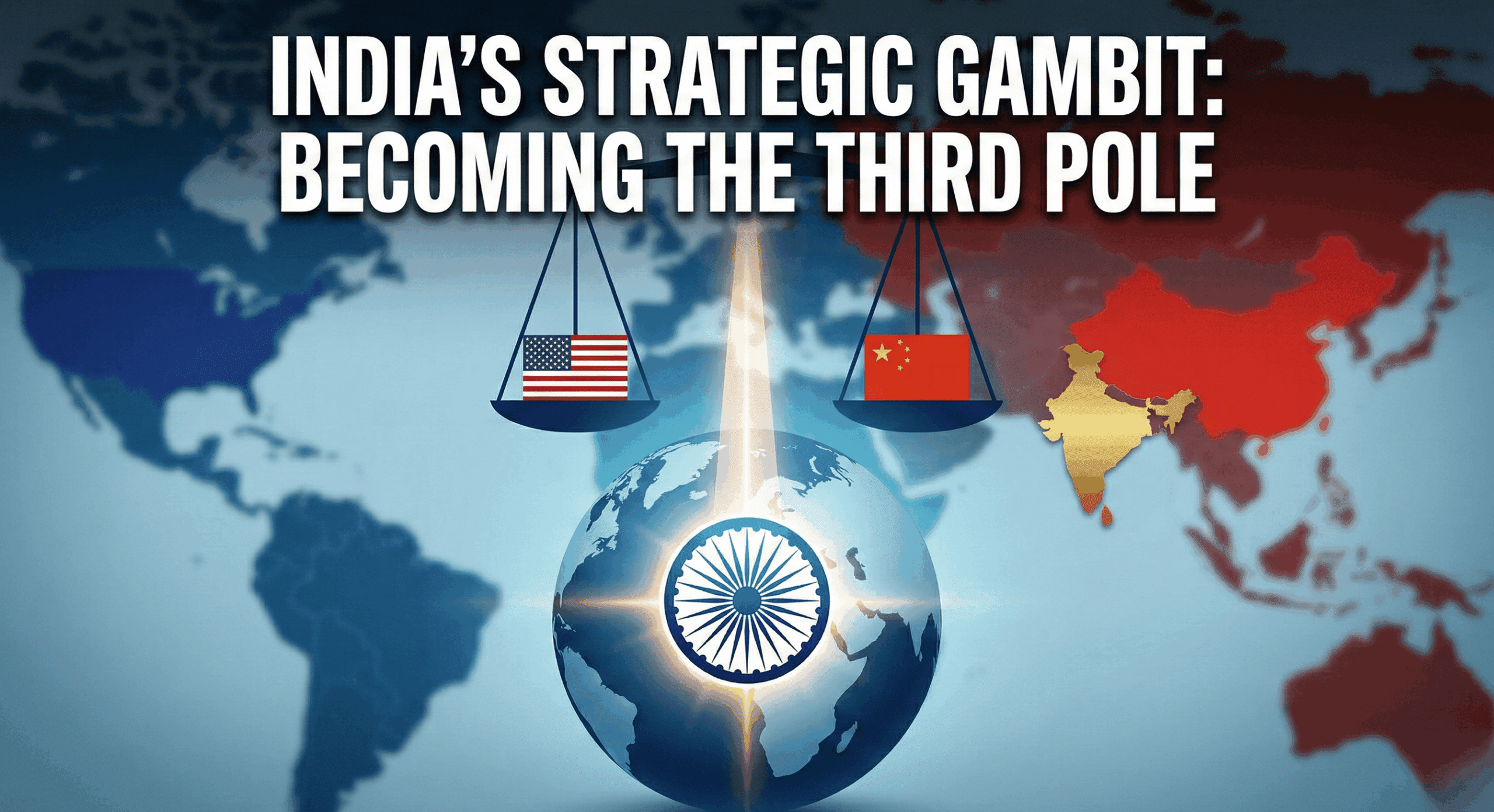

Iran Crisis Explained (2026): Why the World Is Watching Tehran So Closely
For many, the Iran crisis seems like a far-off foreign policy issue discussed by diplomats and experts, far away from everyday life. Still, Iran’s internal events have repeatedly demonstrated ability to disrupt financial markets, fuel pricing, and regional stability far beyond its boundaries. Iran once again comes under severe worldwide attention in 2026—with good reason.
From several angles at the same moment, the country is under stress. Long-standing international sanctions, a sluggish economy, and rising public discontent have caused a highly fraught domestic climate. History shows that Iran’s occurrences usually have results that go beyond national boundaries.
A Nation Under Strain
Iran’s economy woes are now overt. Purchasing power has been eroded by inflation; youth still have worry over unemployment; daily costs have increased dramatically. Life has grown more unpredictable for average Iranians, and over time rage has progressively accumulated.
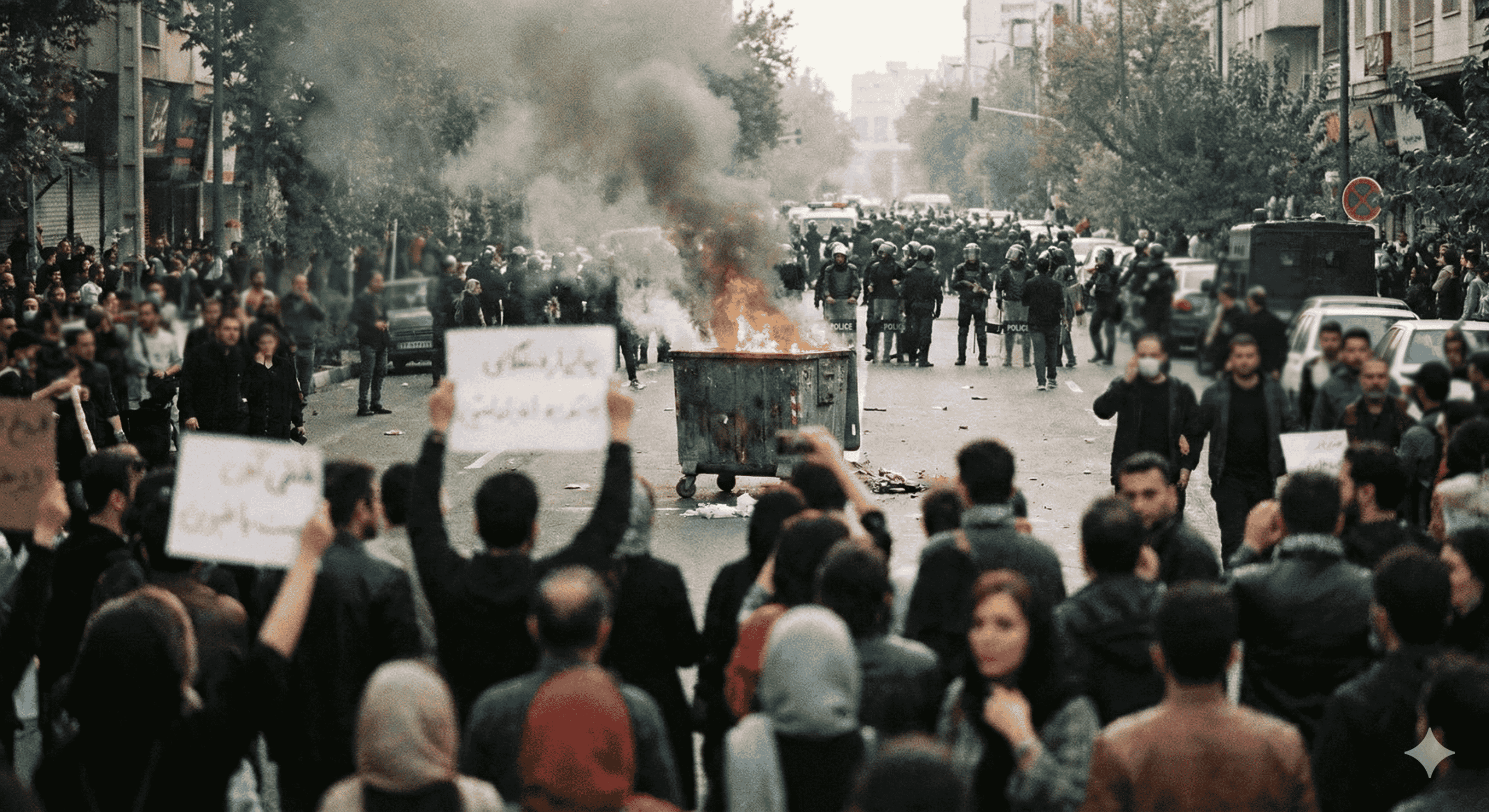
Though it exists under the surface, public unrest is not necessarily seen on worldwide news channels. Frequent protests, social unhappiness, and financial management criticism point to more fundamental problems. Simultaneously, global sanctions hamper trade and foreign investment, hence making recovery incredibly challenging.
Iran has been driven into a weak position by this combination of inner anxiety and outside pressure. Keeping domestic stability while negotiating an increasingly hostile global climate presents a challenge for the country’s leadership.
Iran’s Significance for the Rest of the World
The geographical significance of Iran transcends politics. One of the most important energy chokepoints in the world, the Strait of Hormuz, is under country regulation. Every day, a substantial share of world oil exports goes across this small strait.
Little conflicts in this area might have shockwaves throughout world energy markets. Often driven only on speculation, oil costs surge long before any real interruption happens. Rising prices have widespread repercussions at fuel stations, on transport costs, and finally in food and consumer goods prices.
Aside from energy, Iran is also quite important in regional politics. Through proxy organizations and partnerships, it keeps power across several Middle Eastern conflict areas. Any escalation involving Iran risks setting off a chain reaction that might drag surrounding nations into more general conflict.
The Nuclear Question Remains Large
Referring to Iran’s nuclear program is essential in any conversation about it. While many countries remain dubious, Iranian authorities maintain the initiative serves only to promote peace. Negotiations, agreements, withdrawals, and more negotiations have failed throughout the years to produce a long-lasting answer.
Iran, therefore, is always under worldwide monitoring. Every development — diplomatic or military — is seen under the angle of nuclear threat. This unresolved problem fuels distrust and keeps Iran high on the world priority list.
Major Countries’ Opinions of Iran
Iran’s stance has become a strategic enigma for the main countries of the earth.
To contain Iranian influence, the United States takes a firm line and depends mostly on sanctions and regional alliances. Washington sees Tehran as a destabilizing force in the Middle East and keeps its efforts on avoiding nuclear escalation.
Although they have similar issues, European nations sometimes favor discourse. Many think that diplomacy and economic participation provide a safer long-term answer than continuous hostility even if advancement has been slow.
For Russia, Iran offers a highly important strategic partner. Cooperation with Tehran lets Moscow counter Western influence and keep sway in the Middle East.
At the same time, China views Iran mostly from an economic angle. Trade and energy security are more important than political affiliation; hence, Chinese interaction with Iran has continued under Western pressure.
These opposing points of view clarify why the Iranian crisis persists unresolved: every major power looks at the events differently.
India’s Frail Situation
For India, Iran is not a distant problem or an easy friend. Practical interests rather than philosophy define the connection.
India has long relied on crude oil from Iran. Any disturbance has an impact on domestic fuel prices and economic stability. Furthermore, India finds strategic importance in Chabahar Port since it allows access to Central Asia and Afghanistan while avoiding Pakistan.
India also has to juggle close ties with Gulf countries, some of which have uneasy ties with Iran, as well as those with the United States. This demands New Delhi to tread a cautious diplomatic path: engaging as needed yet steering clear of obvious alignment.
What Follows?
The Iran crisis has no one specific and obvious result.
Diplomatic initiatives could gather momentum and result in small agreements that ease tensions and moderate restrictions. For global markets in particular, this would provide some short-term stability.
Conversely, incorrect estimates or local conflicts could quickly aggravate tensions. Even little events could cause oil flows to be interrupted and increase the risk of larger conflict.
Within Iran itself lies the most unknown chance. Though such changes are usually slow and erratic, economic pressure and popular unhappiness could eventually lead to internal changes.
All of these options coexist now, thus increasing world uncertainty.
Why This Influences Daily Living
The effects of the Iran crisis are real, not theoretical. Higher fuel prices, more expensive products, and more expensive transportation all result from rising tensions. Economic development suffers as companies get wary, investments decelerate.
As governments concentrate on handling immediate risks, worldwide attention also moves from long-term issues including public health, climate change, and development.
The Wider View
Iran’s circumstances in 2026 serve as a reminder of how intimately linked the globe has grown. Decisions taken in Tehran can affect daily costs, policies, and markets thousands of miles away.
Knowing why Iran is still watched helps explain geopolitical headlines and economic instability. The results of unfolding events will spread over continents, so influencing worldwide reality visibly and subtly. They won’t be confined to the Middle East.
Frequently Asked Questions
Globally, why is the Iran situation significant?
Iran has a significant influence on world energy supply, Middle Eastern security, and nuclear diplomacy.
Are gasoline prices impacted by the Iranian crisis?
Yes. Global gasoline prices can rapidly be affected by any conflict between Iran or the Strait of Hormuz.
How is India affected by the Iran crisis?
India’s energy security, trade routes, and regional policy are strongly correlated to Iran’s stability.